

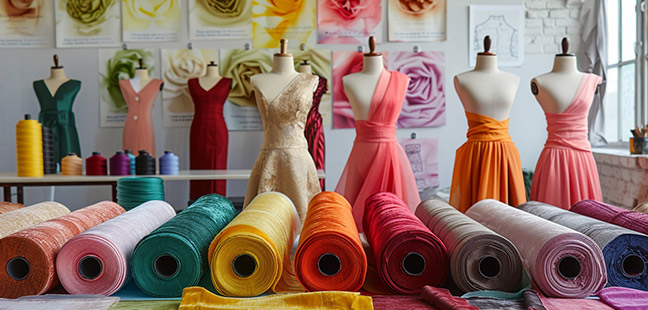
Fabric is the foundation of every garment. No matter how stylish a design looks, fabric choice ultimately determines comfort, durability, fit, and overall value. Understanding how different materials perform helps you make smarter wardrobe decisions and invest in clothing that truly lasts.
Fabric and Comfort Go Hand in Hand
Comfort starts with how fabric feels against the skin and responds to movement.
Key comfort factors include:
- Breathability
- Softness and texture
- Moisture absorption
Natural and well-engineered fabrics regulate temperature better, keeping you comfortable throughout the day.
Durability Depends on Fabric Strength
Apparel quality is closely tied to how well a fabric holds up over time.
Durability is influenced by:
- Fiber strength
- Weave or knit structure
- Resistance to pilling and tearing
High-quality fabrics maintain their shape and appearance even after repeated wear and washing.
Fabric Affects Fit and Drape
The way clothing fits is not just about tailoring—it’s about fabric behavior.
Why fabric matters for fit:
- Structured fabrics create clean silhouettes
- Flowing fabrics drape softly over the body
- Stretch blends allow flexibility and ease
The right fabric enhances how a garment moves and flatters different body shapes.
Natural Fabrics and Apparel Quality
Natural fibers are widely valued for their comfort and performance.
Common benefits include:
- Better breathability
- Reduced skin irritation
- Timeless appearance
Cotton, linen, wool, and silk often feel more luxurious because of how they interact with the body and environment.
Synthetic Fabrics and Modern Performance
Synthetic fabrics play a significant role in modern apparel.
Their advantages include:
- Enhanced durability
- Wrinkle resistance
- Moisture-wicking properties
When blended thoughtfully, synthetic fibers can improve performance without compromising comfort.
Fabric Impacts Longevity and Maintenance
The lifespan of clothing is strongly influenced by fabric choice.
Consider how fabric affects:
- Washing frequency
- Shrinkage or stretching
- Color retention
High-quality fabrics maintain their integrity longer and require less replacement over time.
Sustainability and Fabric Selection
Fabric choice also affects environmental impact.
Sustainable fabric considerations:
- Renewable or biodegradable fibers
- Lower water and chemical usage
- Long-lasting wear reducing waste
Thoughtful fabric selection supports both quality and responsible consumption.
How Fabric Signals Apparel Value
Fabric often reflects a garment’s overall quality before you even try it on.
Signs of quality fabric include:
- Even texture and weave
- Weight appropriate to the garment
- Smooth seams and clean finishes
Touch and visual inspection reveal more than labels alone.
Frequently Asked Questions
Why does fabric matter more than design?
Even the best design fails if the fabric lacks comfort, durability, or proper drape.
Are natural fabrics always better than synthetic ones?
Not always. Each serves different purposes, and blends often offer the best balance.
How can I tell if fabric is high quality?
Look for consistency in texture, resilience when stretched, and a comfortable feel against the skin.
Does fabric choice affect seasonal wear?
Yes. Breathable fabrics suit warm weather, while insulating fabrics work better in colder climates.
Can fabric impact how expensive clothing looks?
Absolutely. Quality fabrics enhance structure, drape, and overall appearance.
How does fabric choice influence garment care?
Some fabrics require gentle washing or dry cleaning, while others are low maintenance.
Is sustainable fabric always more expensive?
Not necessarily. While some options cost more upfront, their durability often provides better long-term value.

Comments are closed.