
Aerial Yoga Apparel Engineering: Why Conventional Activewear Underperforms and What Singapore’s Practitioners Are Wearing Instead

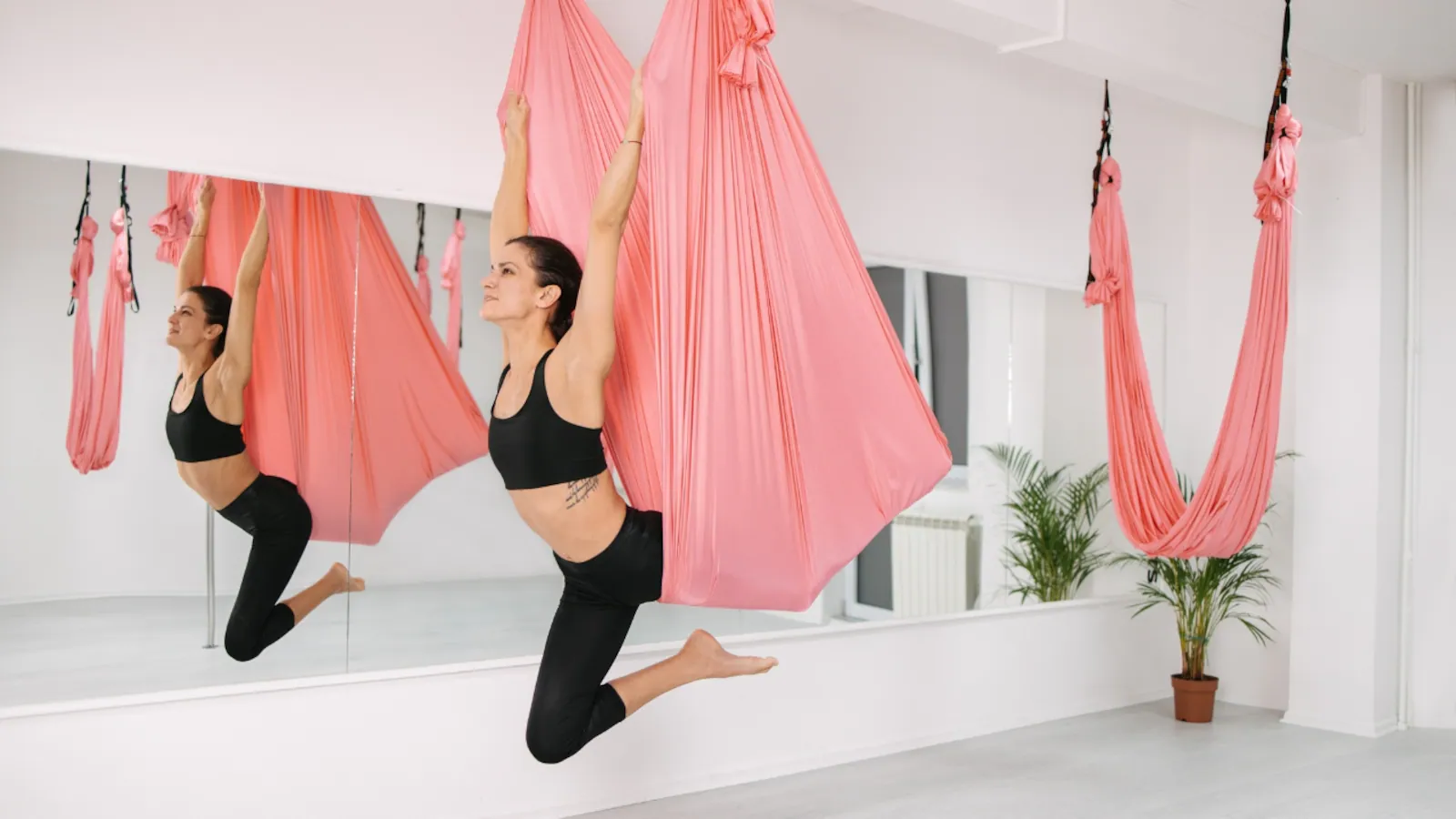
Apparel for aerial yoga is a problem that standard activewear has not solved, despite the growth of the format and the obvious commercial interest in serving its practitioners. The reasons are structural: the demands that aerial yoga places on clothing are sufficiently different from those of ground-based movement practices that garments designed primarily for yoga, Pilates, or gym training provide inadequate performance in the specific areas where aerial yoga creates the greatest apparel challenges. Singapore’s aerial yoga community has worked through this mismatch through collective experimentation and accumulated experience, arriving at apparel choices that reflect a genuine understanding of what the format actually requires.
Aerial yoga creates four distinct apparel challenges that ground-based practices do not: skin protection at hammock contact points, fabric performance under the compression and friction of hammock support, coverage requirements specific to the inversions and wide-legged positions of the practice, and grip performance in the foot and hand positions that aerial sequences require. Understanding each of these challenges and how they are best addressed is the foundation of intelligent aerial yoga apparel selection.
The Skin Protection Challenge
The hammock fabric used in aerial yoga is a high-density nylon or polyester mesh that, under the compression of body weight and the friction of dynamic movement, creates a significant skin contact challenge. Bare skin against hammock fabric in the positions where the hammock bears weight, including the hip creases in seated positions, the backs of the knees in swing and hammock positions, the backs of the arms in certain support positions, and the armpits in supported inversions, experiences a combination of pressure and friction that can cause redness, abrasion, and in cases of repeated exposure without protection, genuine bruising.
This is not a problem that affects only beginners who have not yet adapted to the format. Experienced aerial yoga practitioners who practise frequently maintain long-term contact areas with the hammock, and the cumulative effect of regular hammock contact on unprotected skin makes protection a persistent rather than transitional requirement.
The apparel solution is coverage of the primary hammock contact areas with fabric that both protects the skin and manages the hammock interaction differently from bare skin. Full-length leggings that cover the backs of the knees and the full length of the legs provide protection for the lower body contact areas. Long-sleeve tops or three-quarter sleeve tops that cover the upper arms provide protection for the arm and armpit contact areas.
The fabric used in this coverage matters as much as the coverage itself. Fabrics that provide protection must also not create their own contact problems: slippery fabrics that allow the hammock to shift unexpectedly, heavily textured fabrics that catch and strain on hammock mesh, or fabrics so thin that they provide no meaningful padding against hammock compression are all inadequate solutions.
Fabric Performance Under Hammock Compression and Friction
The compression and friction demands of hammock contact create specific fabric performance requirements that most yoga apparel fabrics are not designed to meet. The hammock support positions in aerial yoga place significant compressive loads on the fabric at contact points, and the dynamic nature of aerial transitions means that these loads are applied with friction as the practitioner moves through positions.
The fabric behaviours that matter most under these conditions are abrasion resistance, dimensional stability under compressive load, and the maintenance of surface texture through repeated wash and wear cycles. Fabrics with low abrasion resistance develop pilling and structural weakening at contact points much more quickly than ground-based yoga use would produce, shortening the garment’s useful life significantly.
Dimensional stability under load is relevant to both comfort and safety. A fabric that stretches and thins significantly under the compressive load of hammock support provides progressively less protection as the session continues, and may not provide adequate coverage in the positions where coverage matters most.
Several technical fabric constructions have been identified by Singapore’s experienced aerial yoga practitioners as meeting these requirements more reliably than standard activewear fabrics. Mid-weight compression fabrics with high nylon or polyester content and tight knit constructions provide a balance of stretch, recovery, and abrasion resistance that serves aerial yoga use well. Fabrics with reinforced panels at the primary contact areas, a design feature that several specialist aerial arts apparel brands have incorporated, provide targeted protection where it is most needed.
Coverage Requirements Specific to Aerial Yoga
The inversions and wide-legged positions of aerial yoga create coverage requirements that are more demanding than those of ground-based yoga in specific ways. A garment that provides adequate coverage in all ground-based yoga positions may fail to maintain coverage in the inverted and gravity-reversed positions of aerial yoga, where the relationship between fabric and body changes significantly.
Waistbands that maintain their position when the body is inverted are a specific requirement that eliminates many standard activewear leggings from consideration for aerial yoga use. A waistband that rolls or slides in upright positions will not improve in inversion, and the combination of downward fabric movement and the practitioner’s attention being directed toward managing the aerial position rather than adjusting clothing creates a genuinely uncomfortable situation.
High-waist designs with wide, structured waistbands that maintain their position through the full range of aerial positions have emerged as the clear preference among Singapore’s experienced aerial yoga practitioners. The waistband width and construction integrity that makes a high-waist legging reliable in upright yoga positions is even more important in aerial contexts where gravity’s relationship with the garment is reversed.
Upper body coverage requirements in aerial yoga favour designs with secure necklines and sleeve constructions that maintain their position in inverted positions without requiring adjustment. Halter necklines and designs with minimal upper back fabric, which are common in yoga apparel for their aesthetic appeal, can create coverage challenges in aerial inversions that well-designed aerial-specific tops with more comprehensive back coverage avoid.
Singapore’s Aerial Yoga Community’s Collective Solutions
Singapore’s aerial yoga community has arrived at its current apparel wisdom through the accumulated experience of practitioners sharing what works and what does not across classes and social networks. The knowledge that has consolidated from this collective experience is more reliable than any single brand’s marketing, because it reflects actual aerial yoga use rather than studio photography or general activewear performance.
The consensus recommendations that have emerged from this collective experience favour full coverage, mid-weight technical fabrics, high-waist designs with structured waistbands, and the selection of brands that have specifically engineered for aerial arts use over those that have simply positioned standard activewear for the aerial yoga market.
Studios like Yoga Edition contribute to this knowledge ecosystem through their own practice communities’ experience and through the guidance their teachers provide to new practitioners navigating the apparel question. The recommendation to invest in purpose-appropriate apparel before beginning aerial yoga, rather than discovering its necessity through uncomfortable experience, is one of the most practically useful pieces of guidance a new aerial yoga practitioner can receive.

Comments are closed.