

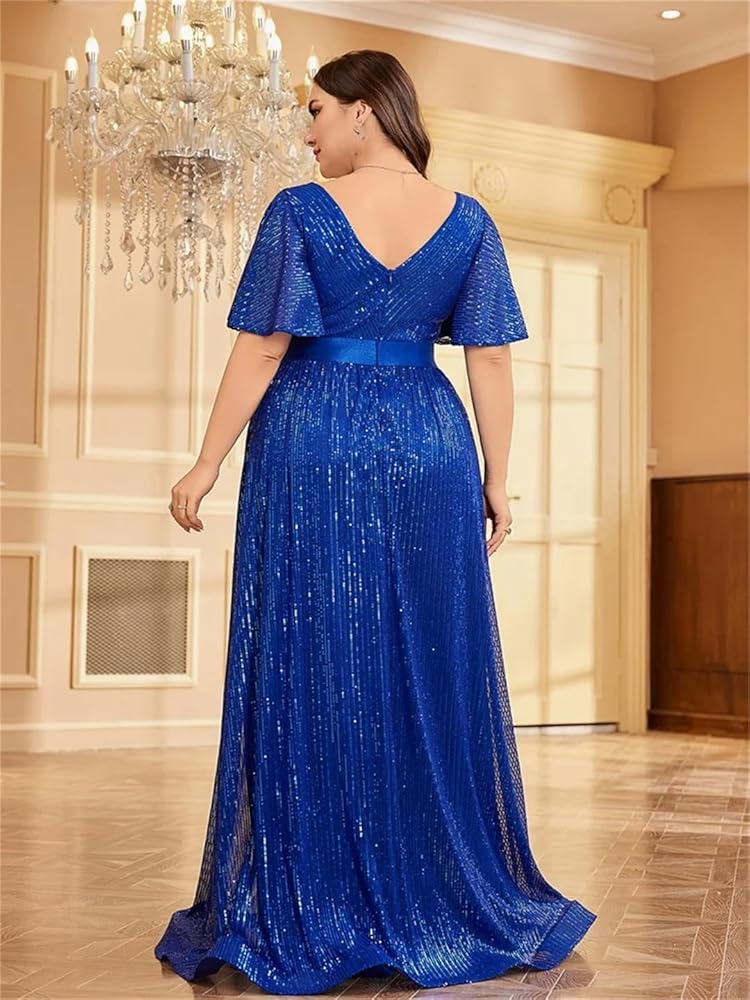
The most flattering dress isn’t about size—it’s about balance, proportion, and confidence. Certain dress styles consistently enhance natural shapes, making them reliable choices regardless of body type. By understanding how different silhouettes work, you can choose dresses that highlight your best features and feel comfortable every time you wear them.
A-Line Dresses
A-line dresses are universally loved for good reason. Their gradual flare from the waist creates a balanced silhouette.
Why they work for everyone:
- Define the waist without clinging
- Skim over hips and thighs
- Offer comfort with structure
This style suits casual, work, and formal occasions with ease.
Wrap Dresses
Wrap dresses adapt naturally to the body, making them one of the most flattering designs available.
Key benefits include:
- Adjustable fit for comfort
- V-neckline that elongates the torso
- Emphasis on the waist
They flatter curves while remaining elegant and effortless.
Empire Waist Dresses
Empire waist dresses feature a raised waistline just below the bust, creating a flowing silhouette.
Why they’re flattering:
- Lengthen the appearance of legs
- Provide comfort through the midsection
- Create a soft, feminine shape
They’re especially popular for warm weather and relaxed occasions.
Fit-and-Flare Dresses
This timeless silhouette combines structure and movement.
What makes it flattering:
- Fitted bodice highlights the upper body
- Flared skirt creates balance
- Enhances natural curves without restriction
Fit-and-flare dresses are ideal for both everyday wear and special events.
Sheath Dresses
Sheath dresses follow the natural line of the body without excessive volume.
Why they work across body types:
- Clean, vertical lines create a streamlined look
- Tailoring enhances fit without bulk
- Versatile enough for professional and formal settings
When properly fitted, sheath dresses feel polished and confident.
Midi Dresses With Defined Waists
Midi dresses strike a perfect balance between coverage and shape.
Flattering features include:
- Waist definition for structure
- Length that elongates the silhouette
- Versatility for layering and styling
They work well with different footwear, adding to their adaptability.
Dresses With Strategic Details
Small design elements can make a big difference.
Look for:
- Vertical seams or pleats
- V-neck or scoop necklines
- Subtle ruching or draping
These details guide the eye and enhance overall proportions.
Why Fit Matters More Than Size
The most flattering dress is one that fits well.
Remember:
- Tailoring can transform a good dress into a great one
- Comfort improves posture and confidence
- Fabric choice affects how a dress drapes
A well-fitted dress always looks intentional and refined.
Frequently Asked Questions
Can one dress style really suit all body types?
Yes, styles that emphasize balance and proportion tend to flatter a wide range of shapes.
Should I avoid certain styles based on body type?
Rather than avoiding styles, focus on fit, fabric, and structure for the best results.
Are body-hugging dresses flattering?
They can be, especially when made from quality fabrics and tailored for comfort.
Do patterns affect how a dress looks on the body?
Yes, vertical patterns and strategic prints can enhance proportions and create visual balance.
Is waist definition always necessary?
Not always, but subtle waist emphasis often adds shape and structure to an outfit.
How important is fabric choice?
Very important. Flowing fabrics soften silhouettes, while structured fabrics provide definition.
Can tailoring really make a difference?
Absolutely. Minor adjustments can dramatically improve how a dress fits and feels.

Comments are closed.